
Roofing, insulation and materials for Zimbabwean homes and buildings.
Frequently Asked Questions
Here are answers to the most common questions we receive about roofing materials, metal roofs, insulation, timber structures and related products in Zimbabwe. Use this guide to understand your options, plan your project and ask the right questions before you build or replace a roof.
1. What roofing materials are commonly used in Zimbabwe — and which are best for my home?
- Popular materials include metal roof sheets (like IBR sheets, metal roof tiles often called Q‑Tiles), and sometimes concrete or tile roofs.
- Metal roofs are often preferred because they are relatively affordable, quick to install, and suitable for Zimbabwe’s climate.
- The “best” material depends on your budget, house design, whether you care about long-term durability, insulation/ventilation needs, and how the roof will handle heat, rain, wind, etc.
2. How often should I inspect my roof for maintenance or possible problems?
- It is recommended to inspect a roof at least once every few years to catch wear, rust, leaks or structural issues early.
- It’s also wise to inspect after heavy rains or storms, since Zimbabwe’s weather can stress roofs (with heavy rain, wind, storms).
3. What are common problems with metal roofs (IBR/Q-Tiles) in Zimbabwe?
Common problems reported include:
- Risk of rust or corrosion if low-quality metal sheets are used — fake or substandard sheets tend to degrade faster.
- Overheating inside the house during hot weather, if roof isn’t properly insulated or ventilated.
- Condensation or moisture build-up (especially if ventilation is poor), which can lead to rust or damp issues inside.
- Noise during rain if there’s no ceiling or insulation underneath the metal roof.
4. When should I consider replacing a roof instead of just doing repairs?
Consider replacement (rather than patch repairs) if:
- The roof is very old (e.g. many decades), especially if made with outdated or degraded materials such as old asbestos or weak sheets. In Zimbabwe, there are many cases where old roofs become unsafe.
- There are recurring issues — repeated leaks, rust, structural instability, or damage after storms/winds.
- The supporting structure (timber frame, trusses, purlins) is weak or deteriorated — even a good roof sheet won’t help if the frame fails.
5. What makes metal roofing attractive for Zimbabwe homes?
Metal roofs (IBR, Q-Tiles) are popular because they are:
- Durable, weather-resistant and less prone to termite or insect damage than some other materials.
- Relatively low-maintenance compared to, say, thatch or older roofing materials.
- Affordable and quicker to install than heavier roofing materials — which helps reduce labour costs and construction time.
6. What are the key things to check when planning a roof replacement or installation?
Before installing or replacing a roof, you need to check:
- The quality and authenticity of roofing sheets (avoid substandard metal sheets or mis-labelled thickness).
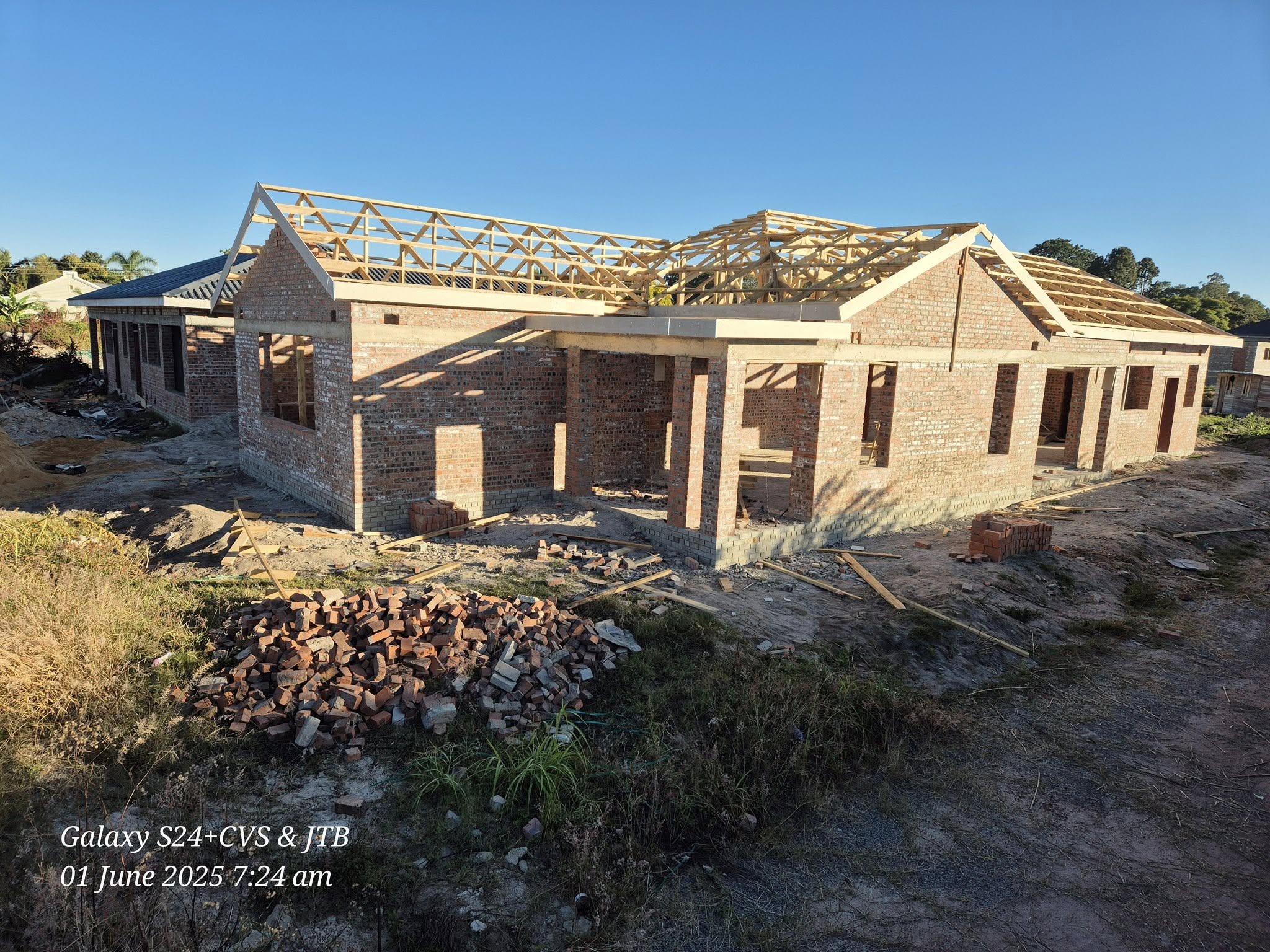
- The structural integrity of the timber frame/trusses/purlins — poor quality timber or weak structure undermines any roof.
- Whether proper insulation and ventilation will be included (to address heat, condensation, noise issues).
- Labour and installation quality — even top materials fail if installed poorly (e.g. bad sealing, poor fasteners, no flashing, incorrect overlap, etc.).
7. How soon do leaks or roof damage become serious problems?
- A small leak or rusty spot may seem harmless — but if ignored, moisture can damage timber supports, lead to structural rot, mold growth, or damage ceilings and insulation.
- After heavy rains or storms, damage can escalate quickly; it’s best to inspect and repair immediately rather than wait until visible water damage occurs.
8. Is a metal roof noisy when it rains — and will it make my home too hot in summer?
- Yes — many homeowners report that metal roofs can make homes hot in summer and noisy during rain if there is no insulation or ceiling below the roof sheets.
- However — with proper insulation (e.g. lining, sisalation/foil, ceiling boards) and good ventilation, these issues can be significantly reduced or eliminated.
9. What maintenance should I do to prolong the life of my roof?
- Inspect the roof periodically (ideally every few years, and especially after storms).
- Check and clean gutters and downpipes regularly to ensure proper drainage and avoid water backflow or pooling.
- Fix small issues (rust spots, loose screws, damaged flashing, minor leaks) promptly before they become larger structural problems.
- Ensure proper ventilation under the roof and consider insulation (especially in metal roofs) to reduce condensation, heat, and noise.
10. In Zimbabwe’s climate, does roofing design depend on region or weather conditions?
Yes. The appropriate roof choice depends on local climate, exposure to rain, wind, sun, and the design of the house.
For example, homes exposed to heavy rain or storms benefit from strong metal roofs with good drainage and weather-proofing, while proper insulation/ventilation helps in hot, dry seasons.
11. Can I install a new metal roof over an existing old roof?
In some cases, yes — but there are caveats. Installing metal over an old roof is possible if the old roof structure is sound, but it may lead to moisture or ventilation issues (like trapped vapor, condensation).
Also, local building practices and structural requirements may demand removing the old roof before installing a new one, depending on the condition of timber and existing roofing.
12. What makes one roofing supplier or installer more trustworthy than another in Zimbabwe?
- Use of certified quality materials (not cheap or mis-labelled sheets).
- Strong, properly-treated timber frame and support structure, not just good roof sheets.
- Good workmanship: correct installation, sealing, ventilation, flashing, gutters, drainage — because poor installation often causes the majority of roof failures.
- Maintenance service / willingness to inspect and fix early issues — not just a simple “install and forget.”
13. How long can a well-installed metal roof last in Zimbabwe?
When installed properly with quality materials and maintained well, a metal roof can remain serviceable for many years, offering durability and weather resistance.
However, its lifespan heavily depends on the quality of the materials, the timber frame, maintenance (e.g. checking for rust, leaks), and insulation/ventilation — ignoring these reduces lifespan significantly.
14. What should I do if I notice a leak or water stains inside my house?
If you see water stains, dripping, damp patches or ceiling/wall discoloration, it’s a warning sign of roof leaks or water ingress.
You should act quickly: schedule a roof inspection, identify the source (bad flashing, rust, loose sheets, poor sealing, blocked gutters, etc.), and fix it before damage spreads to timber frame, walls or interior.
15. Do metal roofs require more maintenance than other roof types?
Not necessarily — metal roofs are often low-maintenance compared to certain traditional roofs, because they resist termites, insect damage, rot, and are weather-resistant.
That said, maintenance is still important: check for rust, sealing issues, ensure gutters are clear, and maintain insulation/ventilation.
16. What is the use of Alu Bubble / Alu Cushion (Alu Bubble (Aluminum Bubble Roof Membrane))?
Alu Bubble, also called Aluminum Bubble Insulation, Alu Cushion, or Reflective Roof Membrane, is a type of radiant barrier insulation made from layers of air bubbles sandwiched between reflective aluminum foil.
17. What Are the Main Uses and Benefits?
1. Heat Insulation
- Reflects radiant heat, keeping buildings cooler in summer and warmer in winter.
- Reduces the need for heating and cooling, helping lower energy bills.
2. Moisture & Water Protection
- Acts as a waterproof membrane.
- Serves as a vapour barrier, reducing condensation inside roofs and ceilings.
3. Temperature Stability
- Maintains comfortable indoor temperature by reducing heat penetration through roofs and walls.
4. Sun & Heat Barrier
- Works like a mirror, bouncing heat away from the structure.
- Ideal for roofs exposed to strong sunlight.
5. Versatility
- Suitable for residential, industrial, and commercial buildings.
- Commonly used in roofing, ceiling insulation, and wall insulation.
Product Highlight: Alububble Double-Sided Sisalation Foil
- Provides advanced thermal insulation and water resistance.
- Excellent for ceiling and roof insulation.
- Enhances comfort by reducing heat transfer and improving internal temperature control.
18. What Does IBR Mean?
Inverted Box Ribs (IBR)
- The term “Inverted Box Rib” refers to the profile or shape of the roofing sheet, consisting of alternating ridges and valleys that form a high-strength structural pattern.
19. What Are IBR and Chromadek?
- IBR — stands for Inverted Box Rib. It refers to the profile or shape of the roofing sheet. The sheet is pressed into an inverted-box / trapezoidal rib design, giving it strength, rigidity, and excellent water drainage.
- Chromadek — is a brand of pre-painted / pre-coated steel. These sheets are coated with a high-quality paint system that provides colour, improved corrosion resistance, weather protection, and durability.
In Short: IBR describes the shape, while Chromadek describes the coating/finish.
This means IBR sheets can be manufactured using Chromadek material, resulting in Chromadek IBR — a combination of a strong IBR profile with the durability and aesthetics of Chromadek coating.
20. What Is the Use of AC Fascia Boards (Asbestos Cement Fascia Boards)?
AC Fascia Boards, also known as Asbestos Cement Fascia Boards, are boards installed along the edges of a roof where the rafters or trusses end. They serve both protective and decorative purposes in roofing.
Main Uses and Functions
1. Protects Roof Edges
- Shields the ends of rafters and trusses from rain, moisture, wind, and pests.
- Prevents rot, damage, and weathering of the wooden roof structure.
2. Supports Gutters
- Provides a strong, stable base to secure gutters and allow proper water drainage.
3. Enhances Appearance
- Gives the roof a clean, finished look by covering exposed roof edges.
- Improves the overall aesthetic of the building.
4. Highly Durable
- AC fascia boards are resistant to rot, termites, water damage, and fire.
- They last longer than traditional wooden fascia boards and require minimal maintenance.
5. Weather & Fire Resistance
- Asbestos cement material provides excellent fire resistance, making it a safer choice in certain building environments.
- Withstands harsh outdoor conditions without warping or cracking.
21. What standard roofing sheets thickness in Zimbabwe
The recommended thickness of roofing sheets in Zimbabwe depends on the type of building and the structural demands of the roof
Use case / building type
Typical / Recommended thickness range
Typical residential roofs
~ 0.40 mm – 0.50 mm
Large houses, industrial/commercial roofs, long spans, heavy exposure (wind/rain)
~ 0.60 mm – 0.68 mm (or thicker if specified)
General Guidelines
- Residential Properties: The standard roofing sheet thickness should be at least 0.40 mm or higher.
- Commercial & Industrial Buildings (e.g., Warehouses): The thickness should be 0.60 mm or higher for stability and long lifespan.
22. What Is the Most Common and Affordable Type of Roofing Material?
The most common and affordable roofing material used in Zimbabwe is:
IBR Roofing Sheets
- Widely used for residential homes, cottages, sheds, and small buildings.
- Lightweight, easy to install, and cost-effective.
- Available in thinner gauges (such as 0.30 mm – 0.40 mm), making it an economical roofing option.
NB: For any residential property, the use of at least 0.40 mm thickness or higher is strongly advised.
23. What Is the Most Durable Type of Roofing Material in Zimbabwe?
Concrete Roof Tiles
- Extremely strong and long-lasting, often lasting 50 years or more with minimal maintenance.
- Highly resistant to fire, rot, termites, and harsh weather.
- Ideal for residential, commercial, and high-end buildings where longevity is a priority.
- Heavier and more expensive than metal roofing, but their durability and low maintenance make them a worthwhile investment.
Other Durable Options
- Stone Coated Tiles: Long-lasting, color corrosion-resistant, maintenance-free, lightweight — suitable for residential and industrial roofs, generally can live as long as concrete tiles.
24. Can You Install AluBubble After the Roof Is Done?
No, It Cannot Be Properly Installed After Roof Completion
- AluBubble works best when installed directly under the roof sheets during construction.
Key Point
- For optimal performance, AluBubble must be installed at the time of roofing, between the roof sheets and the rafters (TIMBER STRUCTURE).
- Installing it afterward would require removing parts of the roof, which is generally impractical.
Get In Touch
Start Your Project with Royal Legacies
Whether you’re still exploring options or ready to install, we’re here to guide you on the best roofing, ceiling and cabinetry choices for your property.

Call Us
+263 77 467 2333 / +263 77 607 0596
Tel: +263 8688008667

Visit Us
Corner Samora Machel Avenue & Julius Nyerere Way Karigamombe Centre, Harare, Zimbabwe

Email Us
info@royal-legacies.co.zw